Bradford-on-Avon
Bradford-on-Avon takes its name from a "broad ford" across the River Avon, and the town that grew up around that crossing is now one of the best-preserved small towns in Wiltshire, its steep, terraced streets built largely from the same honey-coloured stone as nearby Bath.
The town's Saxon Church of St Laurence is one of the more complete surviving Anglo-Saxon churches in England, having been rediscovered in the nineteenth century after centuries of use for other purposes obscured its original form. Bradford-on-Avon's later prosperity came from the wool trade, and the rows of weavers' cottages and larger mill buildings dotted around the town, particularly along the riverside, are a direct legacy of that industry.
The canal and the aqueducts
The Kennet and Avon Canal runs along the edge of the town, part of a waterway linking the Rivers Avon and Thames, and it's a pleasant, level stretch for walking or cycling. A short distance along the towpath, the canal crosses the valley on the Avoncliff and Dundas aqueducts, both stone-built structures that carry the water high above the river and the railway line below.
Where to Stay in Bradford-on-Avon
-
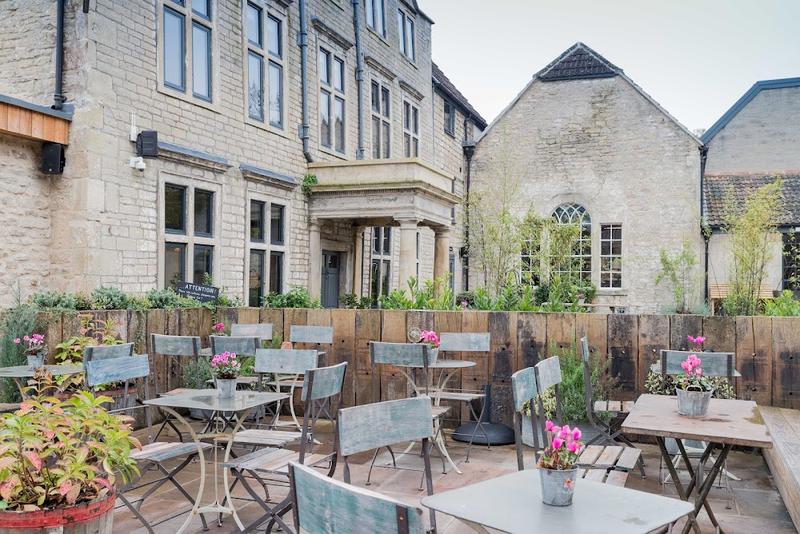 Timbrell's Yard — a boutique hotel on the banks of the River Avon.
 -
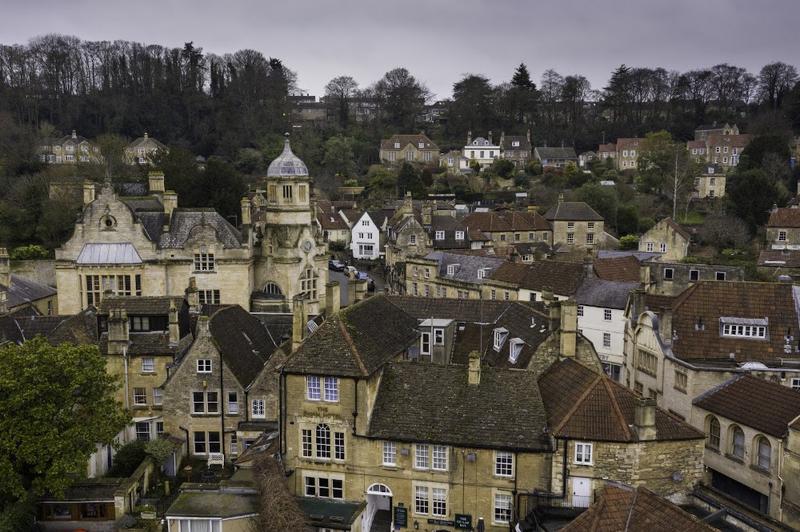 The Swan Hotel — a listed hotel on Church Street dating from the 17th century.
 -
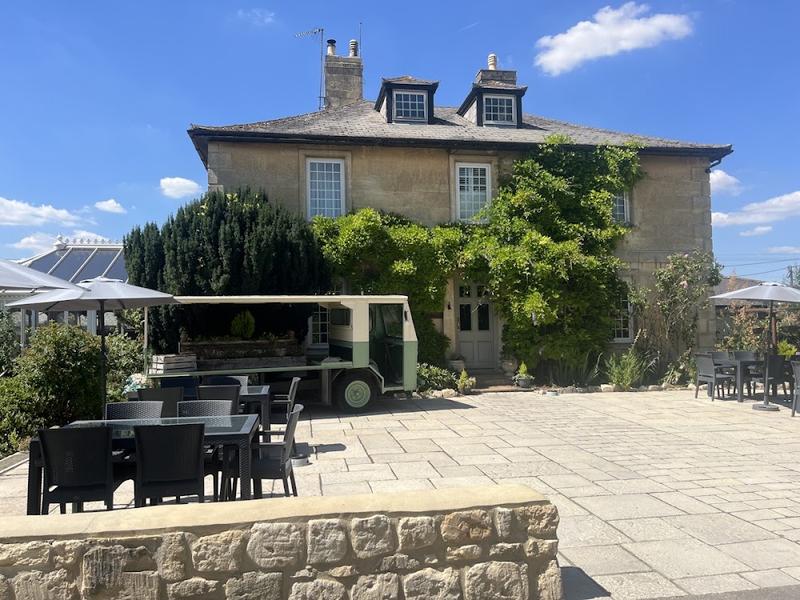 Widbrook Grange — a Georgian country house hotel just outside town.
 -
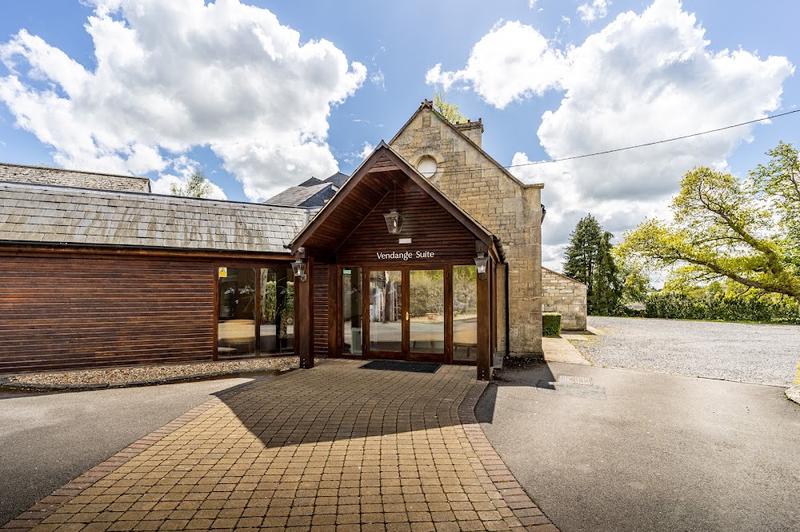 Leigh Park Country House Hotel & Vineyard — a Georgian house set in landscaped grounds nearby.
 -
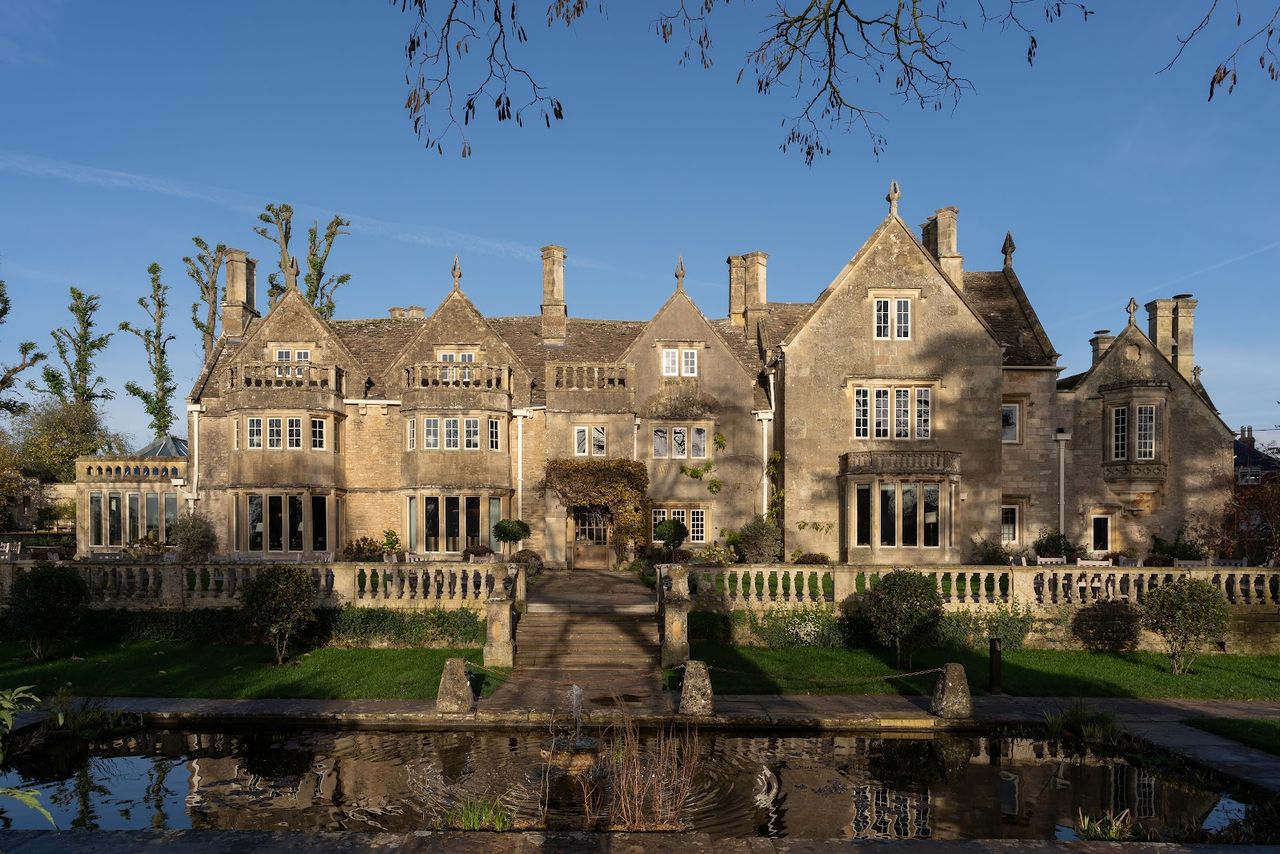 Woolley Grange Hotel — a Jacobean country house hotel with pools and a spa, just outside town.
 -
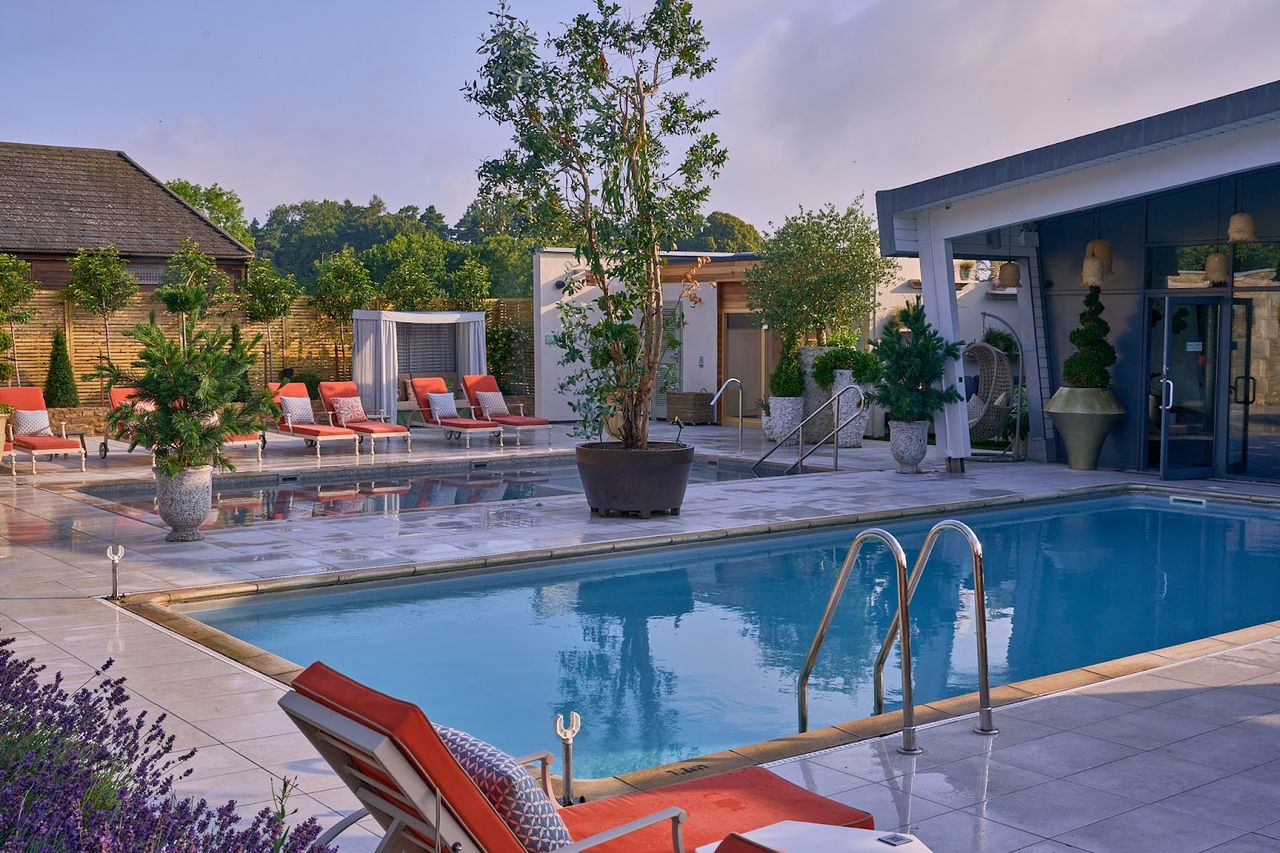 The Homewood — a 5-star design-led spa hotel above the Limpley Stoke valley.
 -
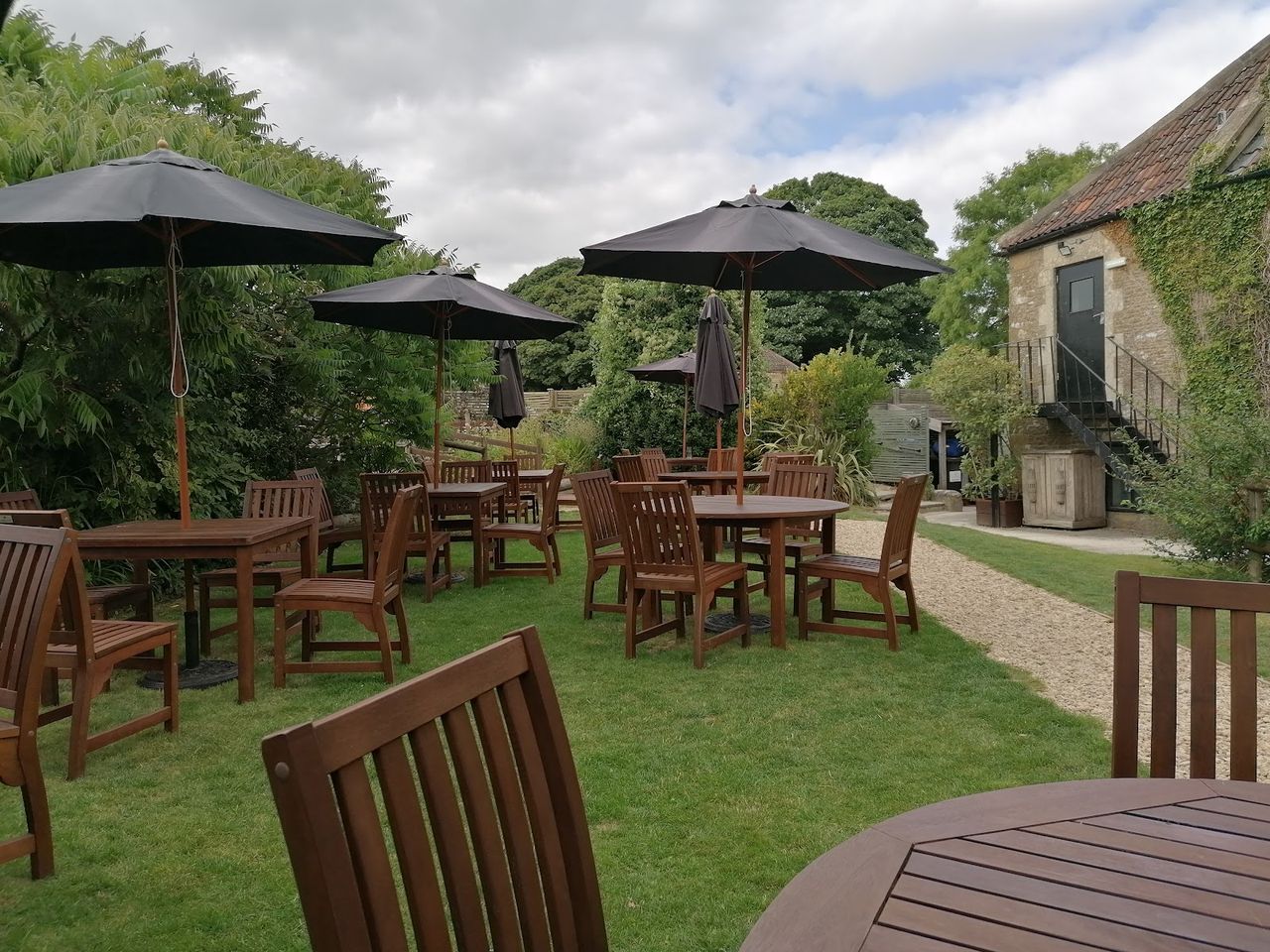 The Kings Arms, Monkton Farleigh — a village pub with rooms nearby.
 -
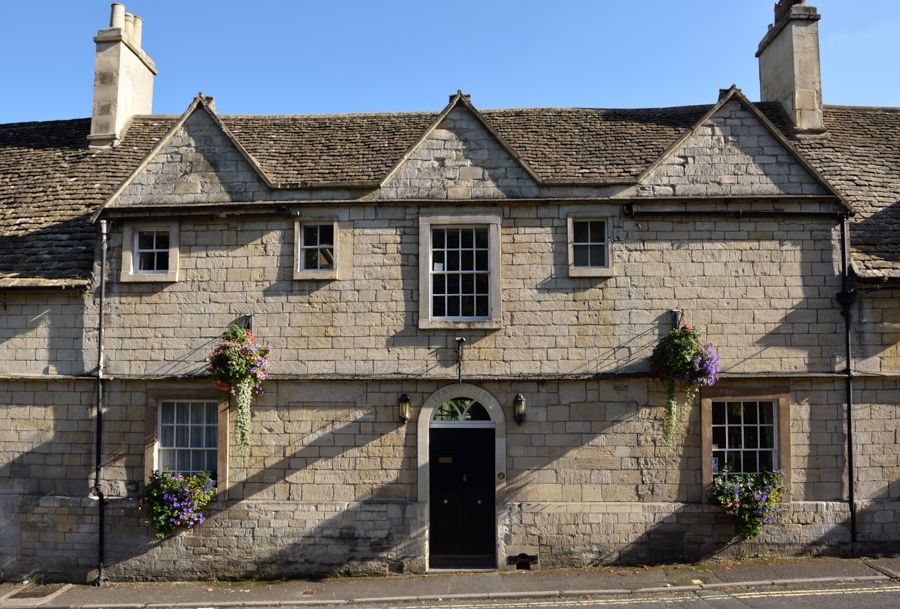 Priory Steps — a characterful B&B in converted weavers' cottages with views over the town.
 -
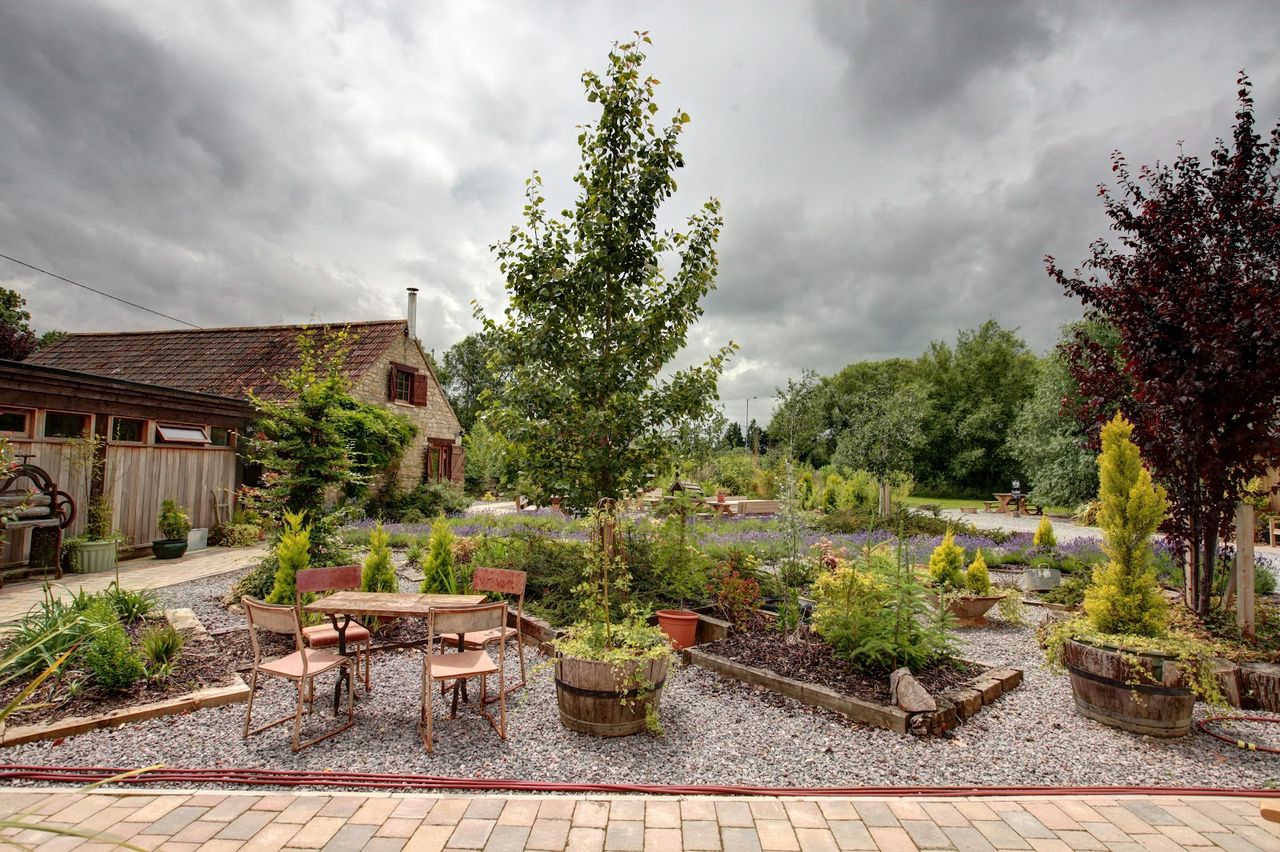 Widbrook Barns — a converted barn B&B on the edge of town, near the canal.
 -
The Castle Inn — a pub with rooms on Mount Pleasant, above the town.
-
The George — a pub with rooms on Woolley Street, near the canal.
-
The Moonraker Hotel — a hotel and wedding venue on Trowle Common, just outside town.
-
Cherry Orchard Farm — a working farm B&B on the edge of town.
Getting there
Bradford-on-Avon has its own railway station, on the line between Bath and Salisbury, and the town centre is a short walk away. It's also a convenient base for visiting Bath, which lies a short distance to the north-west.