Marlborough
Marlborough's high street is the first thing most visitors notice — a broad, gently curving run of Georgian and older shopfronts that is among the widest historic high streets in England, a legacy of the town's origins as a market centre.
That width traces back to the town's medieval market, when the space was needed for stalls and livestock, and it still gives Marlborough a spacious, unhurried feel compared with many market towns of similar size. At one end of the high street stands Marlborough College, a well-known independent school whose grounds include a Norman mound thought to be connected to the same tradition of earthworks found elsewhere in the county. The college buildings are private, but the mound and the general townscape are visible from the surrounding streets.
The Kennet valley
Marlborough sits in the valley of the River Kennet, which rises nearby and flows east towards Reading, eventually joining the Thames. The chalk downs on either side of the valley, including Marlborough Downs to the north, offer open walking country and are within easy reach of the Avebury stone circle, a short drive to the west.
Where to Stay in Marlborough
-
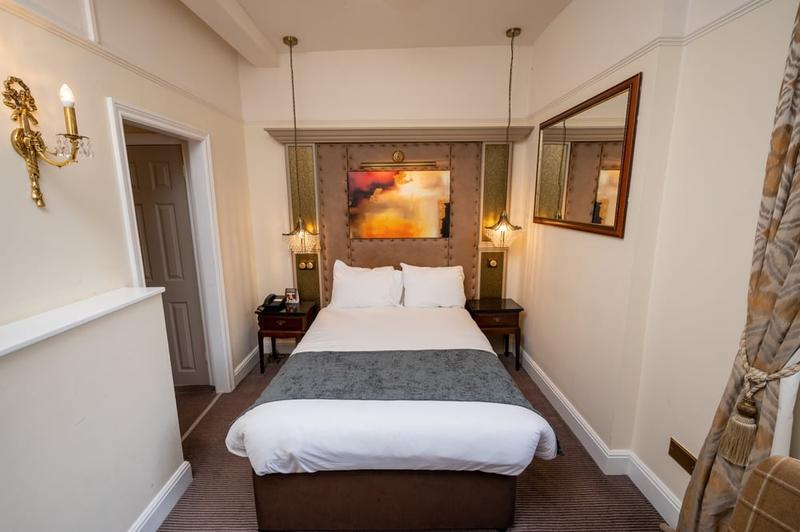 The Castle & Ball Hotel — a historic inn right on the wide high street.
 -
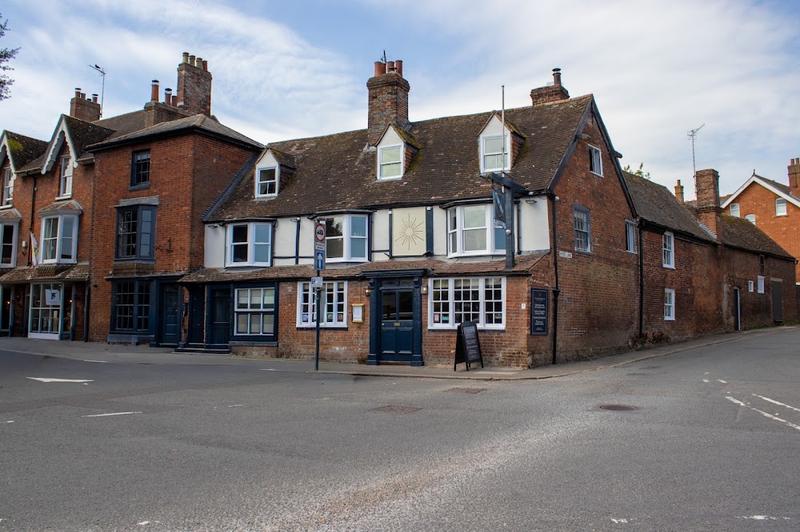 The Marlborough — a 15th-century inn on the high street.
 -
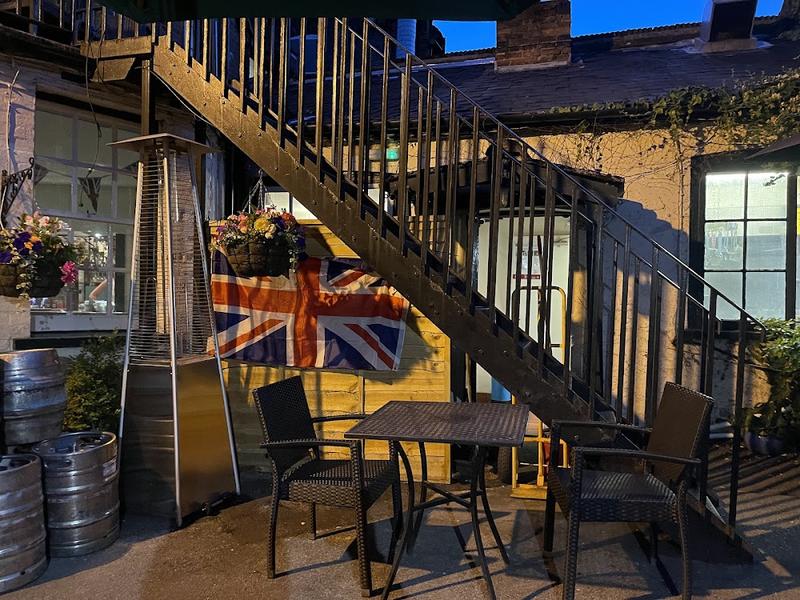 The Lamb Inn — a high-street pub with rooms in the centre of town.
 -
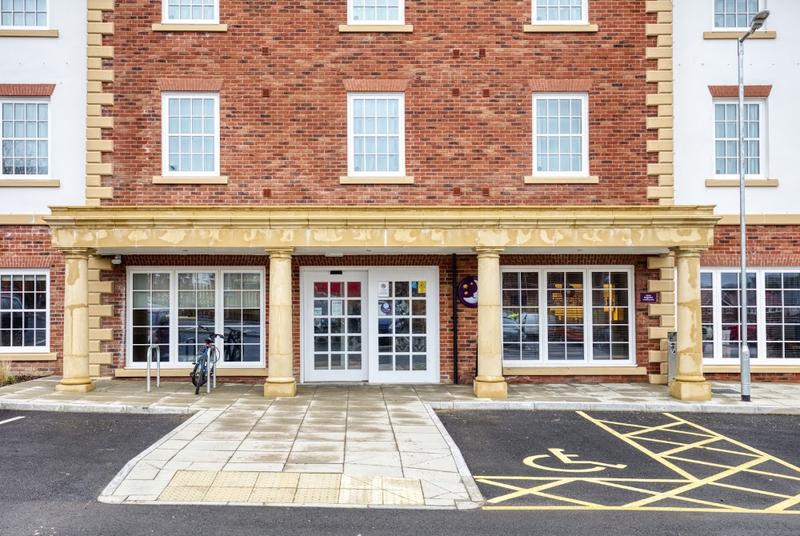 Premier Inn Marlborough — a modern budget hotel a short walk from the centre.
 -
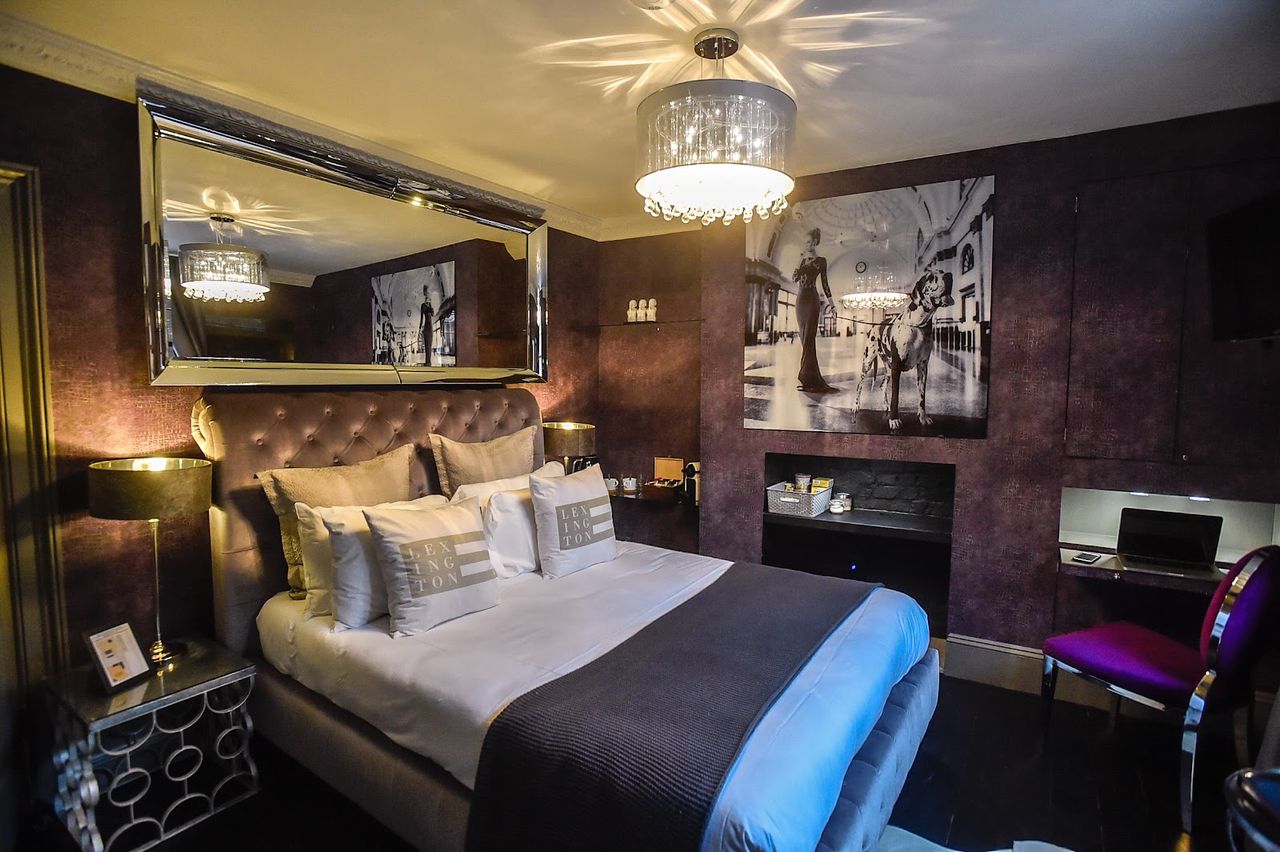 The Kingsbury — a 17th-century boutique guest house on Kingsbury Street.
 -
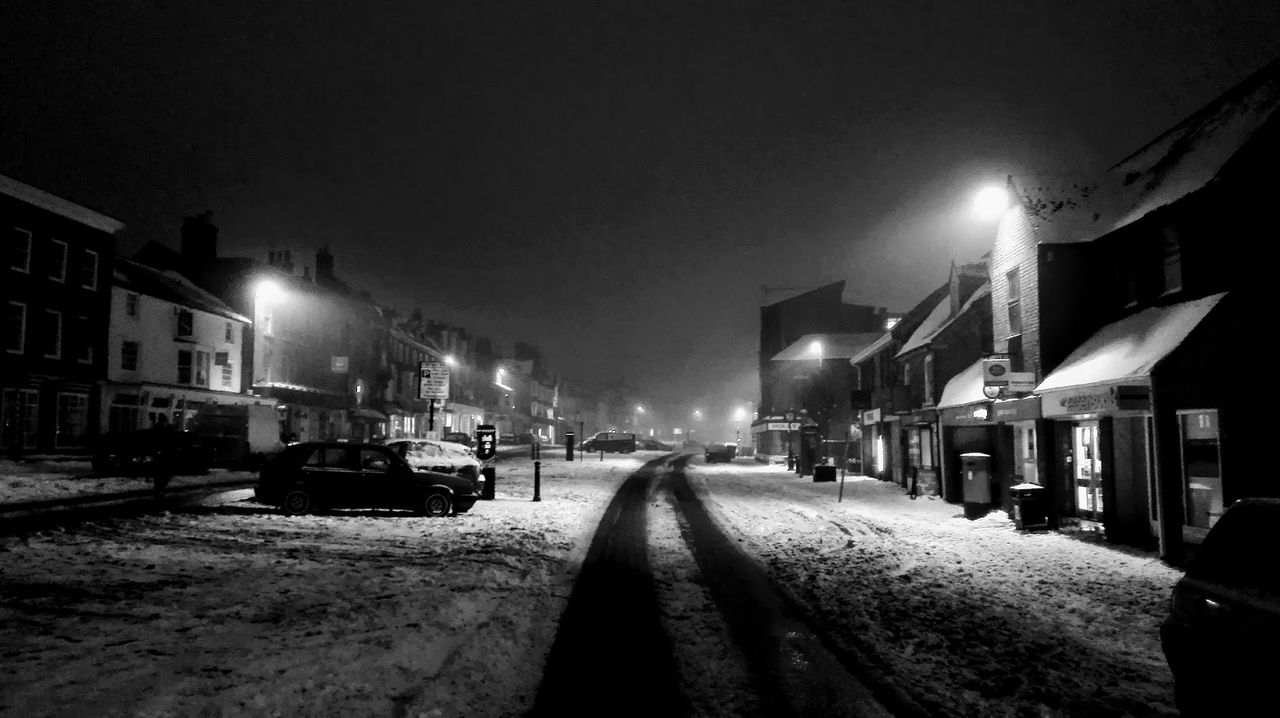 The Merlin — a family-run guest house on the High Street.
 -
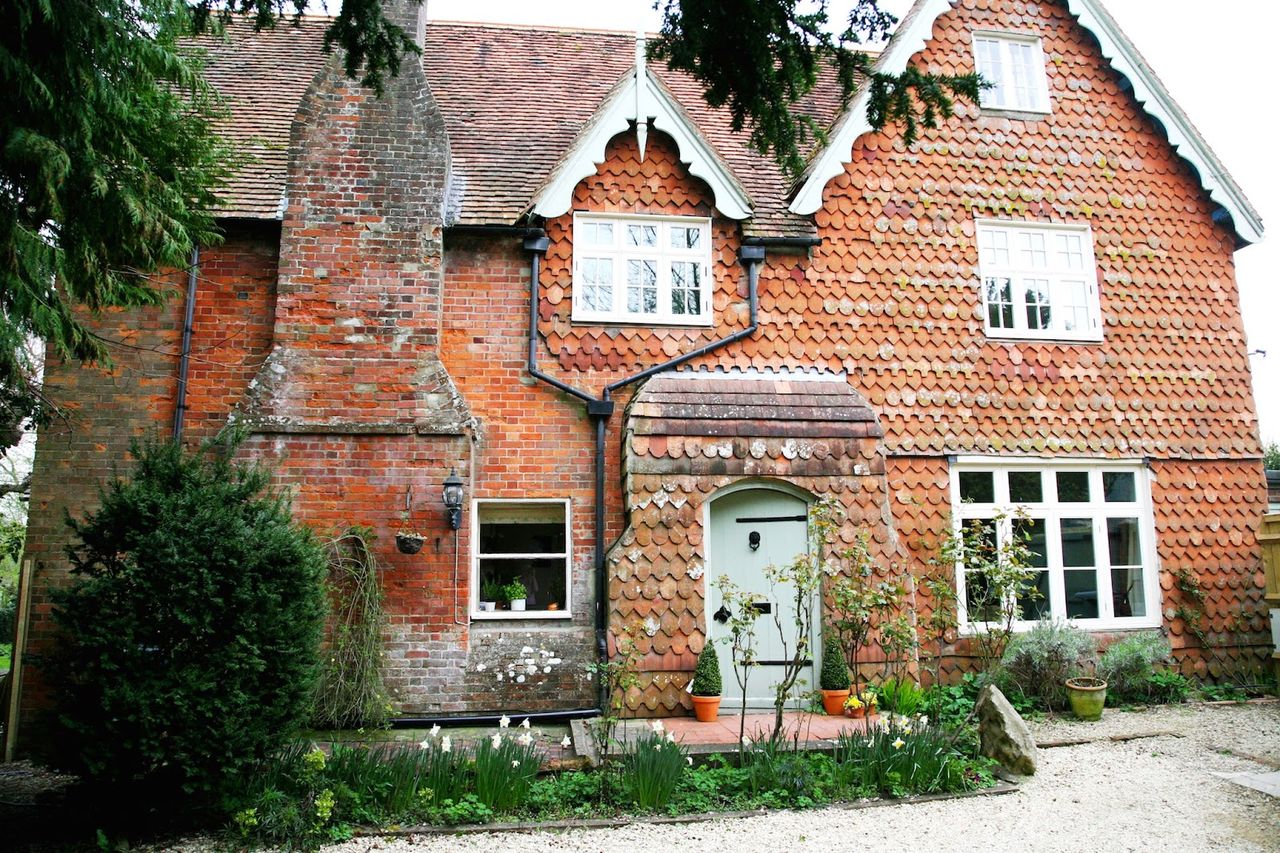 Tresco House — a boutique B&B in a former vicarage nearby.
 -
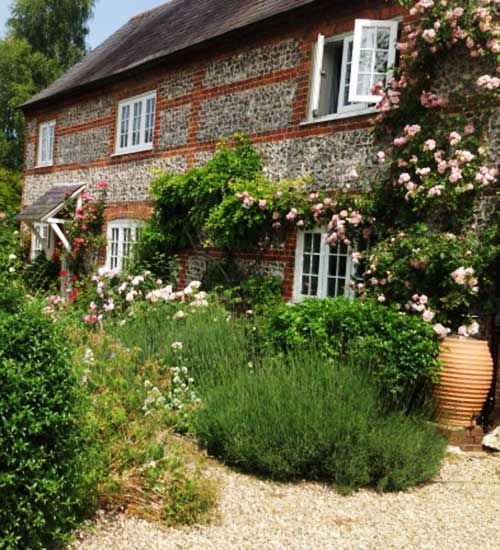 Talmage House — a farmhouse B&B set in country garden and farmland.
 -
The Green Dragon — a pub with rooms right on the High Street.
-
The Royal Oak Bed & Breakfast — a B&B on the edge of town near Savernake Forest.
-
The Bell at Ramsbury — a pub with rooms in the village of Ramsbury nearby.
-
The Crown at Aldbourne — a pub with rooms in the village of Aldbourne nearby.
Getting there
Marlborough has no railway station of its own; the nearest mainline stations are at Swindon and Pewsey, both a short drive away, with bus connections into the town centre. Most visitors arrive by road, often as part of a wider trip taking in Avebury and the surrounding downs.