Salisbury
Salisbury grew up around its cathedral rather than the other way round, and the two are still inseparable — the spire is visible from miles across the surrounding plain, and the streets of the old city curve around the close at its base.
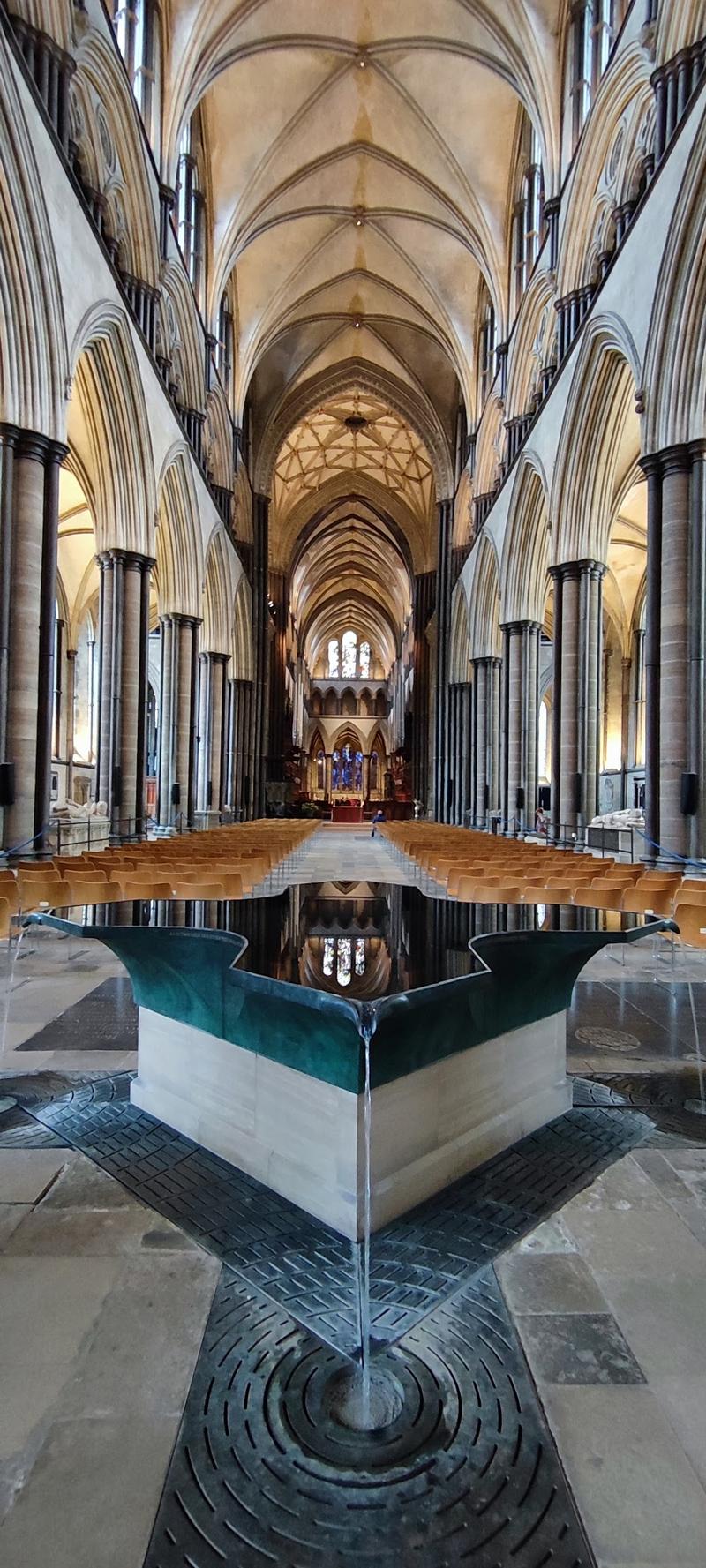
Salisbury Cathedral was built in the thirteenth century in a single, unusually consistent phase, which is part of why its Early English Gothic architecture reads as so coherent compared with cathedrals that were extended and altered over centuries. Its spire, added later, is the tallest in Britain, and the cathedral also holds one of the surviving original copies of Magna Carta. Around it, the Cathedral Close is one of the largest in England, a quiet enclave of mostly Georgian and earlier townhouses that feels distinct from the busier market streets just beyond its gates.
Beyond the cathedral
Salisbury's market squares still host regular markets, a tradition going back to the city's medieval founding as a planned settlement, and the grid-like layout of the old centre reflects that original planning. To the north and west, Salisbury Plain opens out into a huge expanse of chalk downland, much of it used for military training, but with public rights of way and a landscape that has changed relatively little in appearance for a very long time.
Where to Stay in Salisbury
-
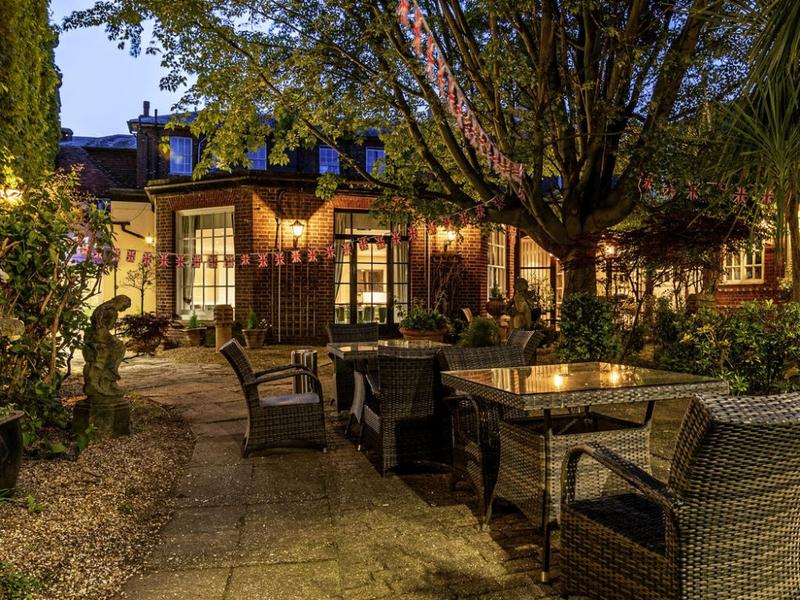 Mercure Salisbury White Hart Hotel — next to the historic Market Place, close to the cathedral.
 -
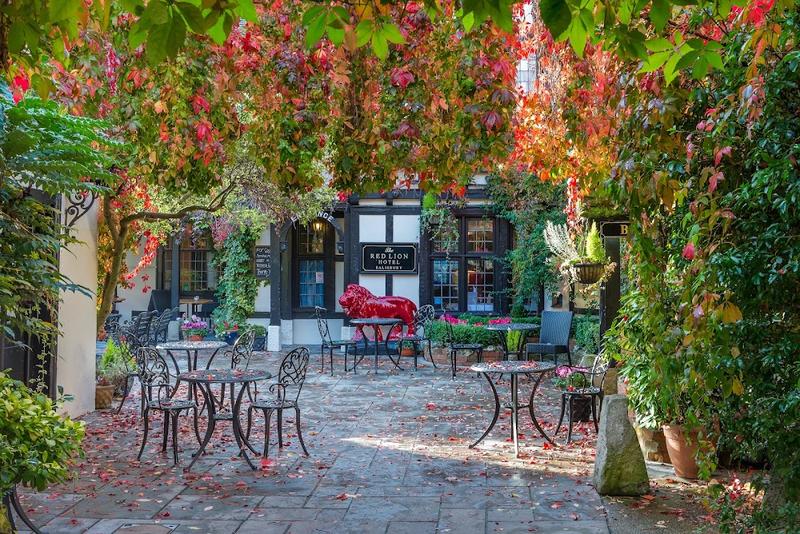 The Red Lion Hotel — a long-established coaching inn in the city centre.
 -
 Milford Hall Hotel — a short walk from the market square.
 -
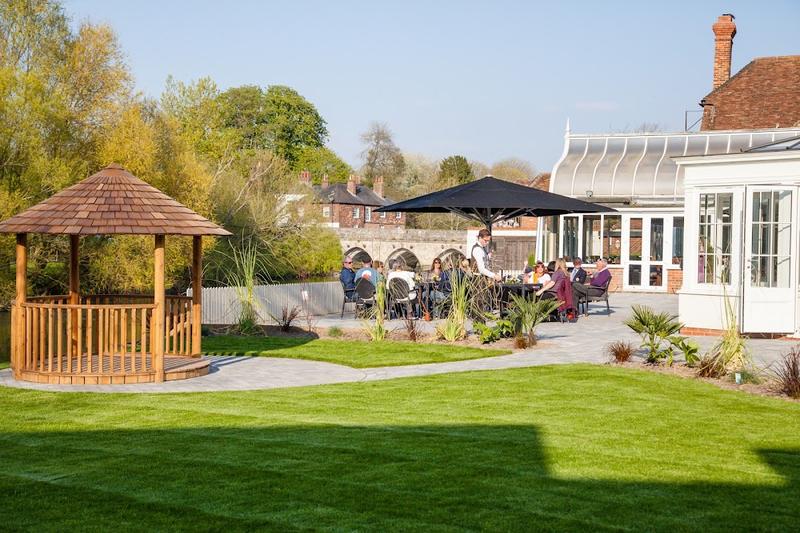 Legacy Rose & Crown Hotel — a riverside coaching inn dating from the 13th century.
 -
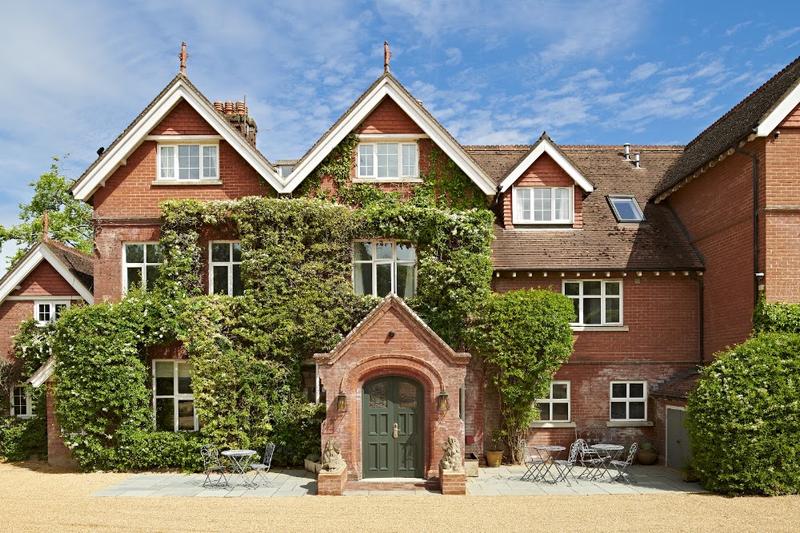 Riverside Hotel Salisbury — a short stroll from the city centre.
 -
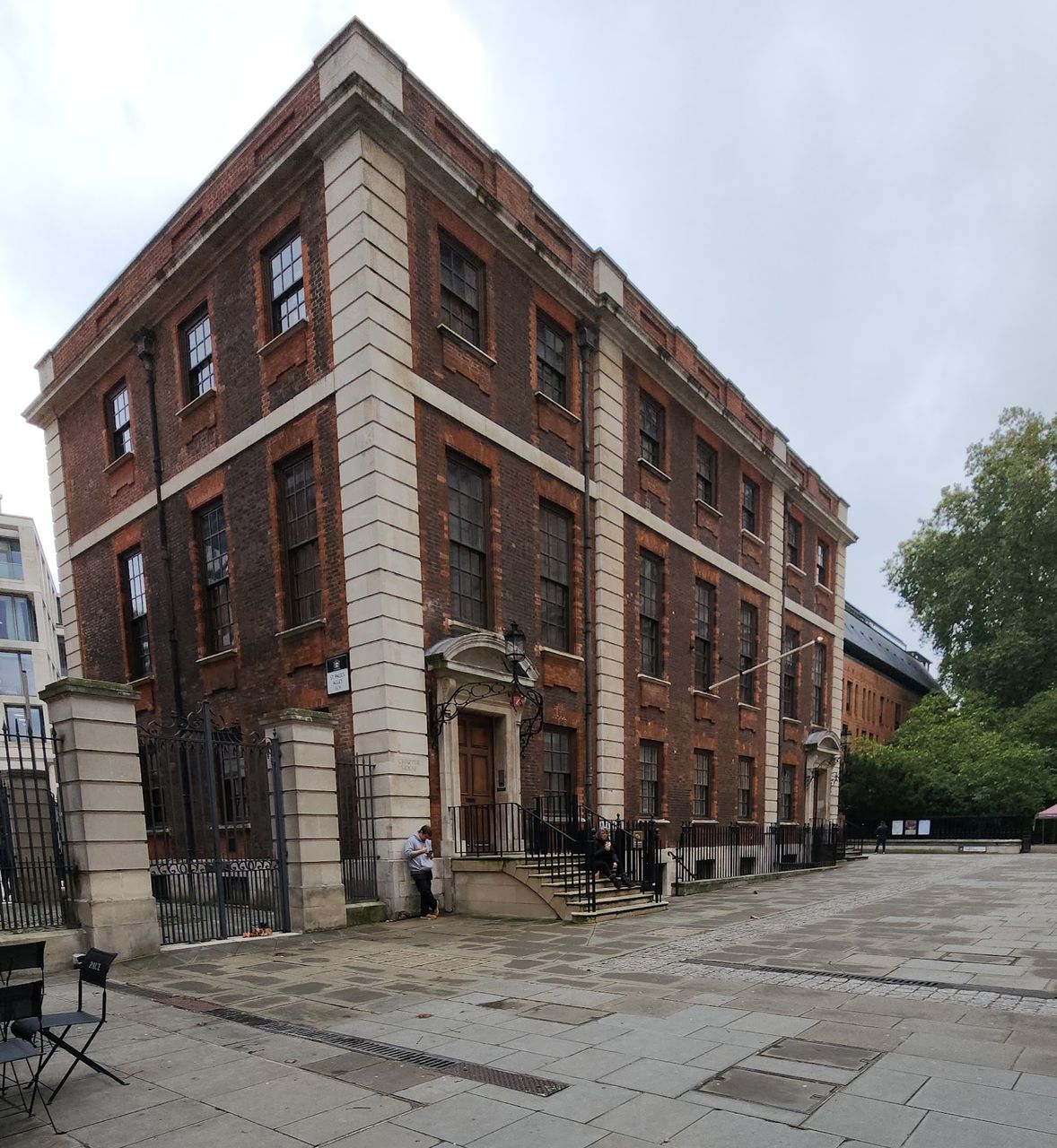 The Chapter House — a 13th-century inn a few steps from Cathedral Close.
 -
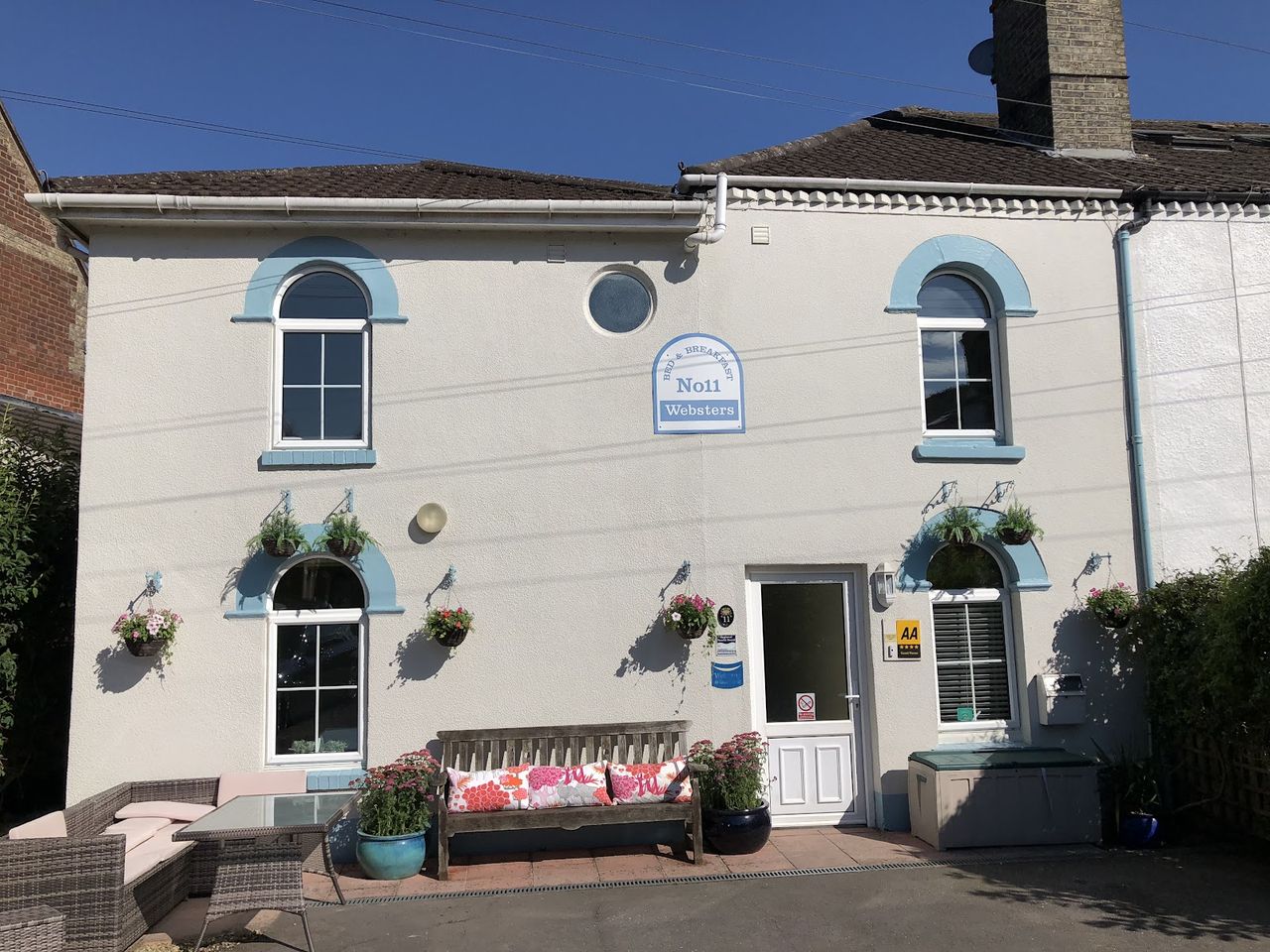 Websters Bed & Breakfast — a small, highly rated family-run B&B near the station.
 -
Spire House Bed & Breakfast — an 18th-century townhouse B&B on Exeter Street.
-
The Old Mill Hotel — a converted mill on the water meadows at Harnham.
-
The Cathedral Hotel — a city-centre hotel on Milford Street with a pool and spa.
-
Greyhound Inn, Wilton — a pub with rooms on the Market Place in Wilton.
-
The Pembroke Arms, Wilton — a pub with rooms near Wilton House.
-
King John Inn, Tollard Royal — a country inn on the edge of Cranborne Chase.
Getting there
Salisbury has its own railway station with direct services to London Waterloo, Southampton and Bristol, and the city centre is a short, flat walk from the station. It's also a common base for visiting Stonehenge, which lies a short drive to the north.