Stonehenge & Avebury
Wiltshire's chalk downland holds two of the most significant prehistoric monuments in Europe, Stonehenge and Avebury, which together with the surrounding earthworks form a single UNESCO World Heritage Site.
Stonehenge is the more famous of the two: a circle of massive standing stones, some brought from as far as the Preseli Hills in Wales, arranged and rearranged over several phases of construction across the Neolithic and early Bronze Age. Its exact purpose is still debated, but its alignment with the midsummer and midwinter solstices is well established, and it remains a focus for solstice gatherings each year. A modern visitor centre sits some distance from the stones themselves, with a shuttle link, to reduce the impact of visitor traffic on the monument and its setting.
Avebury and the wider landscape
Avebury, a shorter drive to the north, is on a very different scale — its stone circle is the largest in the world, and unlike Stonehenge it encloses part of the village itself, with roads and houses running through the monument. The wider landscape around both sites is dense with other Neolithic and Bronze Age features, including Silbury Hill, the largest man-made mound of its kind in Europe, and numerous long barrows and round barrows visible from the surrounding footpaths.
Where to Stay near Stonehenge & Avebury
-
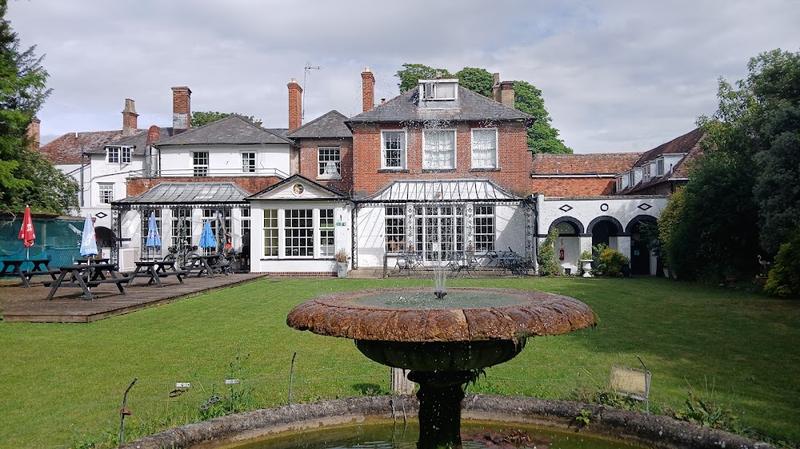 The Antrobus Hotel, Amesbury — a 17th-century coaching inn a few miles from Stonehenge.
 -
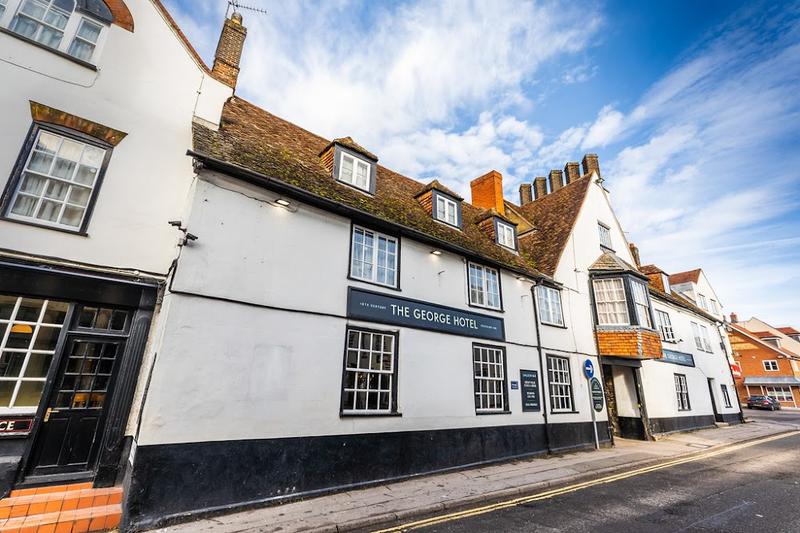 The George Hotel, Amesbury — a former coaching inn in Amesbury town centre.
 -
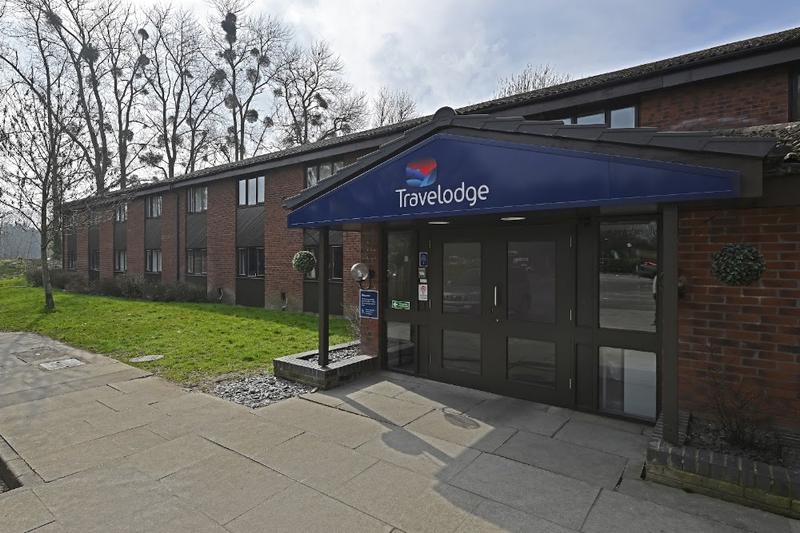 Travelodge Amesbury Stonehenge — a budget option close to Amesbury town centre.
 -
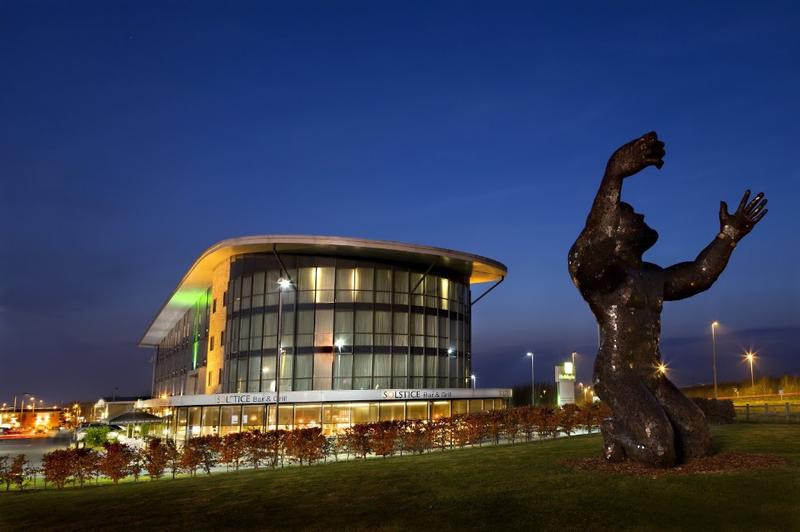 Holiday Inn Salisbury – Stonehenge — on the A303, one of the closest hotels to the stones.
 -
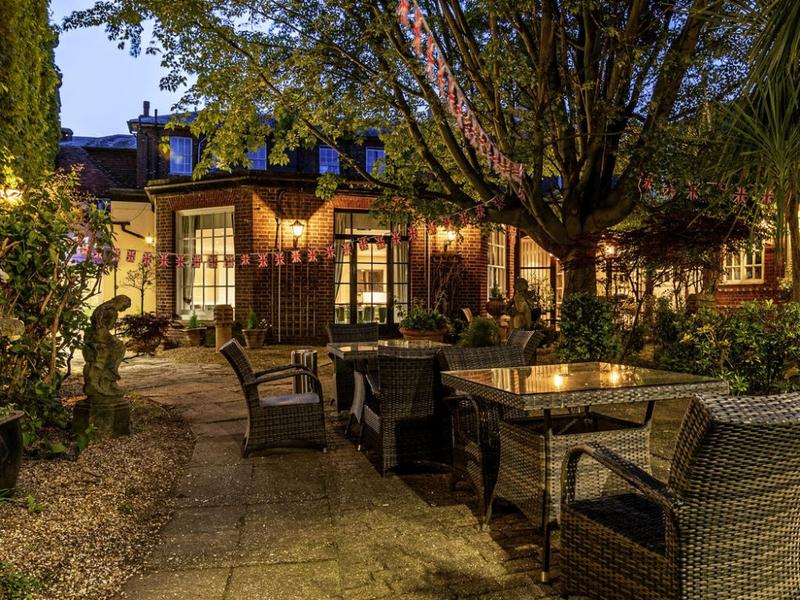 Mercure Salisbury White Hart Hotel, Salisbury — a city-centre base for visiting both sites.
 -
Dorwyn Manor Bed & Breakfast, Avebury — a B&B within walking distance of the stone circle.
-
Elderbrook House, Avebury — a small guest house inside the World Heritage Site.
-
Silbury House, Avebury — a B&B on Green Street, near the stones.
-
The Stonehenge Inn, Amesbury — a pub with rooms with a spa and sauna.
-
Avebury Life Bed & Breakfast — a small B&B in Trusloe Cottages, on the edge of the stone circle.
Getting there
Neither Stonehenge nor Avebury has a railway station nearby, so most visitors drive or join a coach tour, commonly from Salisbury, Bath or London. Salisbury is the closest city with a good range of accommodation for visiting Stonehenge, while Marlborough is a convenient base for Avebury.